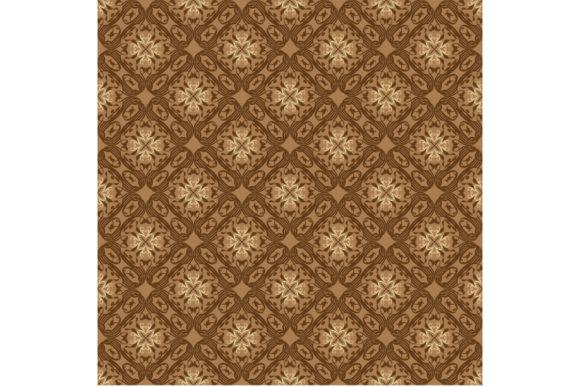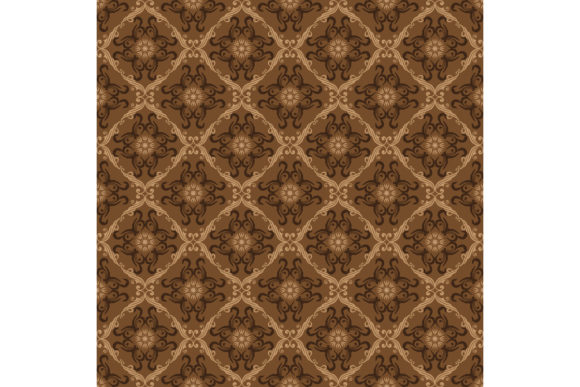
Tradisional Batik Design
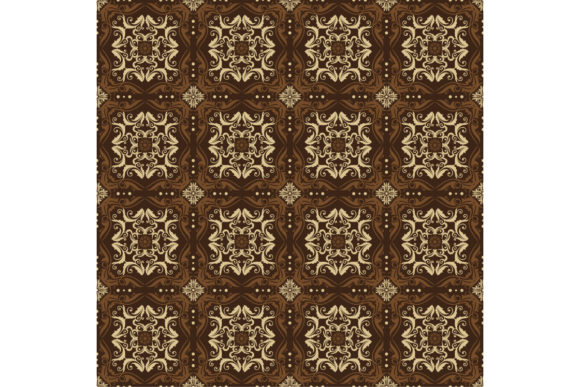
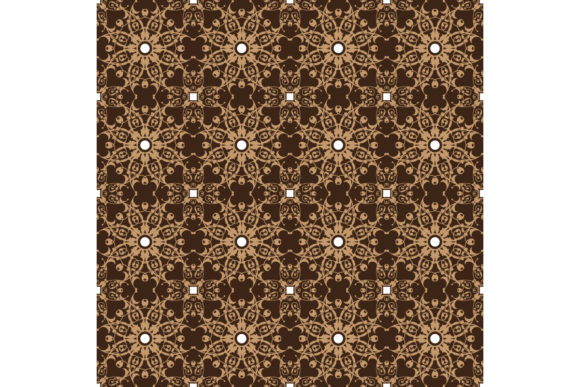
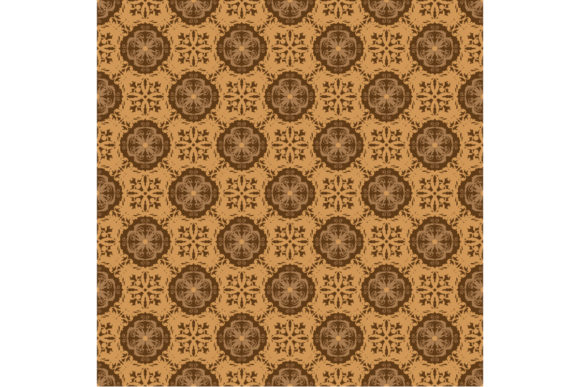
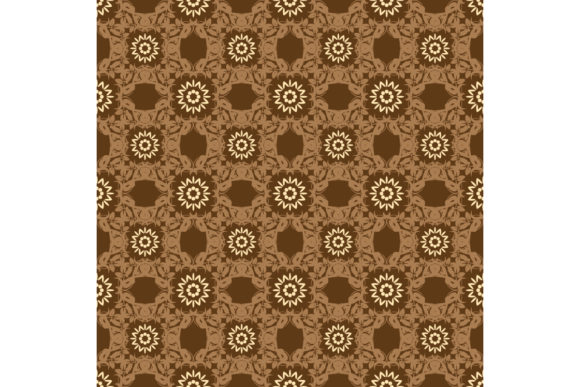
Batik is more than just a fabric; it's a cultural heritage deeply rooted in the traditions of Indonesia, especially in Java. Among its many variations, Tradisional Batik Design stands out for its intricate patterns and meaningful symbolism. One popular style within this tradition is the use of simple batik flower patterns on smooth brown-colored cloth. These designs are not only visually appealing but also carry historical significance, making them a cherished part of Javanese culture.
The smooth brown color design of these batik fabrics gives them a timeless and elegant look that complements various settings. Whether worn as traditional attire or used in home décor, these pieces offer versatility and beauty. The simplicity of the flower patterns allows for easy recognition and appreciation, even for those new to the art of batik.
Understanding Tradisional Batik Design
Tradisional Batik Design refers to the classic methods and motifs used in creating batik textiles. This technique involves applying wax to fabric before dyeing it, which creates unique patterns by resisting the dye in certain areas. The result is a fabric with distinct, often intricate designs that reflect the cultural identity of the region where they were made.
One of the most recognizable elements of Tradisional Batik Design is the use of natural dyes and traditional tools like the canting, a small copper tool used to draw precise patterns onto the fabric. These techniques have been passed down through generations, preserving the authenticity of the craft.
The simple batik flower patterns found in this collection are a testament to the elegance of minimalism in design. These flowers, often inspired by nature, symbolize growth, beauty, and harmony—values that are central to Javanese philosophy.
Purpose and Appeal of Tradisional Batik Design
The primary purpose of Tradisional Batik Design is both functional and symbolic. Historically, batik was used to denote social status, religious beliefs, and regional identities. Today, it continues to serve as a medium of expression and cultural pride.
For individuals looking to connect with their heritage or explore traditional arts, Tradisional Batik Design offers an accessible and meaningful way to do so. The smooth brown color palette makes these designs versatile, suitable for both formal and casual wear. Additionally, the simple flower motifs can be easily incorporated into modern fashion or interior design without overwhelming the overall aesthetic.
Many people are drawn to Tradisional Batik Design because of its ability to blend tradition with contemporary appeal. It’s a perfect choice for those who appreciate handmade craftsmanship and want to support artisans while enjoying beautiful, culturally rich textiles.
Where and How to Use Tradisional Batik Design
Tradisional Batik Design has a wide range of applications beyond clothing. Here are some practical examples:
- Clothing: From sarongs to tunics, batik fabric can be used to create traditional and modern outfits alike. The smooth brown color works well with both light and dark accessories.
- Home Décor: Batik cushions, table runners, and wall hangings add a touch of elegance and cultural depth to any room.
- Accessories: Scarves, handbags, and even shoes can feature batik patterns, offering a stylish yet meaningful accessory.
- Business and Marketing: Entrepreneurs and marketers can incorporate Tradisional Batik Design into branding materials, packaging, or promotional items to highlight cultural authenticity.
These uses make Tradisional Batik Design a valuable asset for anyone interested in blending tradition with modernity. Its adaptability ensures that it remains relevant across different industries and personal interests.
Considerations Before Choosing Tradisional Batik Design
Before choosing Tradisional Batik Design, there are several factors to consider:
- Quality: Ensure that the fabric is made using traditional methods and high-quality materials. Authentic batik will have a unique texture and durability.
- Design Preference: While simple flower patterns are popular, consider how they align with your personal style or intended use.
- Cultural Sensitivity: Respect the cultural significance of batik by learning about its history and proper usage in different contexts.
- Sustainability: Look for eco-friendly production processes, as many traditional batik makers now prioritize sustainability.
By keeping these considerations in mind, you can make an informed decision that honors the legacy of Tradisional Batik Design while meeting your specific needs or preferences.
Getting Started with Tradisional Batik Design
If you're new to Tradisional Batik Design, starting with simple patterns like the smooth brown color design with basic flower motifs is a great way to learn. These designs are less complex and allow you to focus on understanding the fundamentals of batik without feeling overwhelmed.
You can begin by exploring ready-made batik products or experimenting with DIY kits that guide you through the wax-resist dyeing process. Many online tutorials and workshops are available for those interested in learning how to create their own batik designs at home.
Whether you're a beginner or an experienced crafter, Tradisional Batik Design offers endless opportunities for creativity and cultural exploration. Its enduring appeal lies in its ability to tell stories, preserve heritage, and inspire new generations of artists and enthusiasts alike.