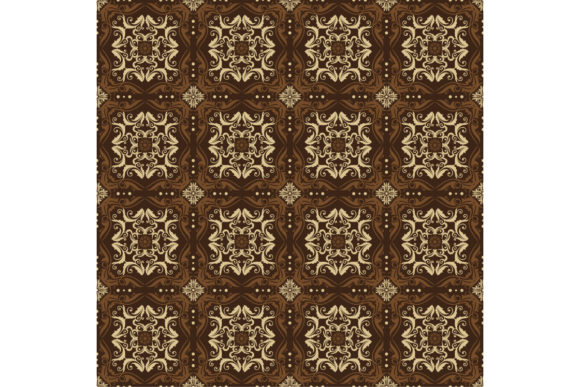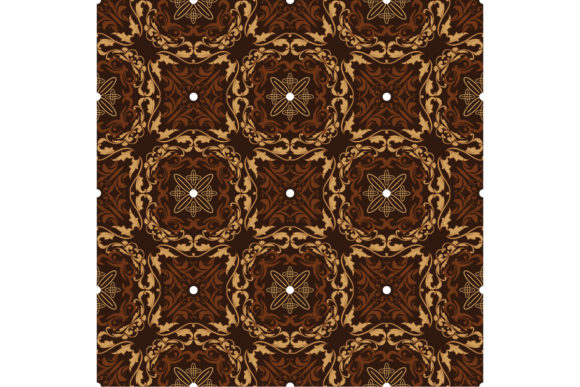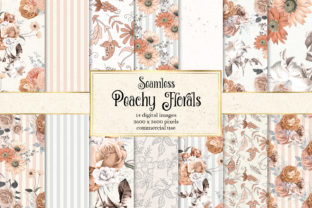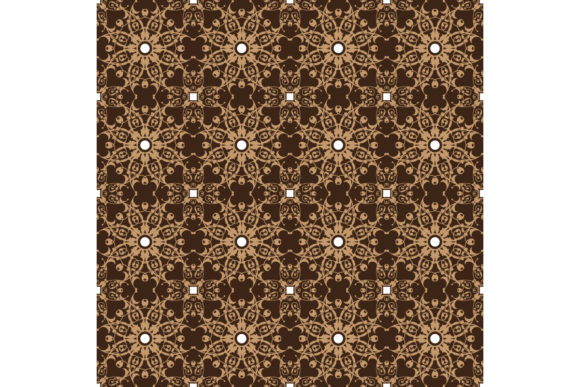
Pekalongan Batik Design: A Harmonious Blend of Tradition and Floral Elegance
Color Concepts in Pekalongan Batik Design
The selection of colors is also influenced by the intended use of the fabric. Traditional ceremonial garments may incorporate more subdued tones, whereas modern fashion pieces might utilize bolder, more dynamic color schemes. This adaptability allows Pekalongan Batik to remain relevant across different contexts and audiences.
Applications of Pekalongan Batik in Contemporary Settings
In today’s world, Pekalongan Batik Design continues to find new applications beyond traditional textiles. From home décor to fashion, the versatility of these designs makes them suitable for a wide range of purposes. Here are some notable examples:
- Fashion Industry: Designers frequently incorporate Pekalongan Batik into clothing lines, using the floral patterns as accents or main features. The blend of colors allows for creative reinterpretations that appeal to both casual and formal wear.
- Home Decor: Batik fabrics are used in upholstery, curtains, and decorative cushions, adding an elegant touch to interior spaces. The soft color transitions make these fabrics particularly well-suited for creating serene environments.
- Accessories: Handbags, scarves, and even shoes can be crafted using Pekalongan Batik, showcasing the intricate details and rich symbolism of the designs.
These applications highlight the enduring appeal of Pekalongan Batik and its ability to seamlessly integrate into modern lifestyles without losing its cultural essence.
Techniques Behind the Artistry
The creation of Pekalongan Batik involves a combination of traditional and innovative techniques. While the basic method of wax-resist dyeing remains unchanged, artisans have begun experimenting with new materials and tools to enhance the final product. For example, digital printing technologies are sometimes used alongside hand-dyeing to achieve more complex patterns and color effects.
Another important aspect is the choice of cotton fabric, which is known for its durability and breathability. This makes Pekalongan Batik ideal for garments that need to withstand frequent use while maintaining their visual appeal. Additionally, the use of natural dyes derived from plants and minerals contributes to the eco-friendly nature of the craft, aligning it with current sustainability trends.
Understanding the Cultural Significance
Beyond its aesthetic qualities, Pekalongan Batik holds significant cultural value. Each pattern and color carries symbolic meanings that reflect the values and beliefs of the community. For instance, certain floral motifs may represent prosperity, fertility, or protection, depending on their placement and design.
Local artisans play a crucial role in preserving and passing down these traditions through generations. Their knowledge of the craft is often acquired through apprenticeships, ensuring that the techniques and stories behind each design are not lost. This continuity helps maintain the authenticity of Pekalongan Batik while allowing for gradual evolution in response to changing tastes and needs.
Moreover, the production of Pekalongan Batik supports local economies by providing employment opportunities for weavers, dyers, and designers. It also promotes cultural tourism, attracting visitors who wish to experience the artistry firsthand and learn about the history and significance of the craft.
Considerations for Consumers and Creators
For those interested in incorporating Pekalongan Batik into their lives or businesses, there are several considerations to keep in mind. First, it is important to source authentic products from reputable artisans or workshops to ensure quality and support fair trade practices. Authenticity can be verified by examining the craftsmanship, color depth, and overall texture of the fabric.
Second, understanding the meaning behind different patterns can enhance appreciation for the art form. Whether used in fashion or home décor, knowing the story behind a particular design adds depth and personal connection to the item.
Finally, caring for Pekalongan Batik requires attention to detail. Washing should be done gently using mild detergents to prevent damage to the fabric. Proper storage is also essential to preserve the integrity of the colors and patterns over time.
By respecting the traditions and techniques involved in creating Pekalongan Batik, consumers and creators alike contribute to the preservation of this valuable cultural heritage.