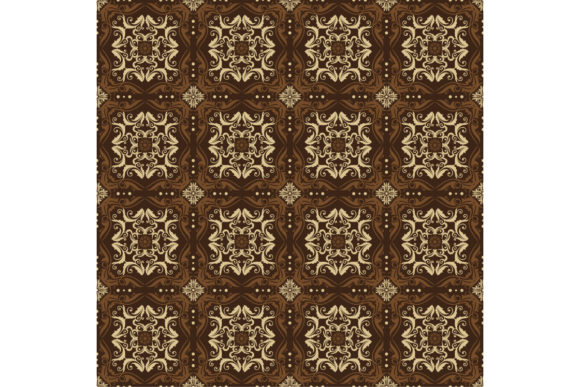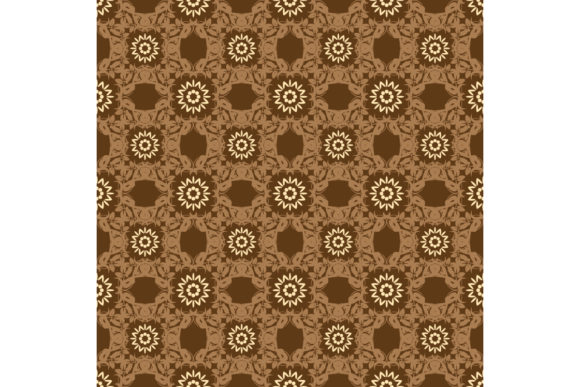
Indonesian Batik Design and Simple Flower Patterns with a Brown Color Concept
Indonesian Batik Design is more than just an art form—it's a cultural expression that has evolved over centuries. Originating from the Javanese tradition, batik is a method of textile art where patterns are created using wax-resist dyeing techniques. The intricate motifs often carry deep symbolic meanings, reflecting aspects of nature, spirituality, and social identity. In recent years, the traditional batik design has found its way into modern fashion, home décor, and digital media, making it a versatile tool for creative professionals and designers alike.
When considering how to incorporate Indonesian Batik Design into a broader creative or business process, it's important to understand its versatility. Whether you're designing clothing lines, creating branding assets, or developing interior design concepts, batik offers a unique aesthetic that can enhance visual storytelling. One particularly appealing variation is the use of simple flower patterns in a brown color concept, which provides a subtle yet elegant approach to integrating this traditional design into contemporary settings.
Understanding the Elements of Indonesian Batik Design
At the core of Indonesian Batik Design are the motifs and patterns that define each piece. These designs are traditionally hand-drawn and then transferred onto fabric using a canting tool, which applies hot wax to resist certain areas of the fabric during the dyeing process. Common motifs include geometric shapes, animals, and floral patterns. Among these, simple flower patterns have gained popularity due to their adaptability and ability to convey a sense of calm and sophistication.
The choice of color also plays a crucial role in the final appearance of batik. While traditional batik often features vibrant colors like indigo, red, and gold, the brown color concept introduces a more earthy and subdued palette. This makes it ideal for those looking to create a warm, inviting atmosphere without overwhelming the viewer. Brown tones can be used as a base or accent, allowing other elements to stand out while maintaining a cohesive look.
Integrating Simple Flower Patterns into Modern Design
Incorporating simple flower patterns into your design workflow requires a thoughtful approach. Begin by researching traditional batik motifs to understand their symbolism and how they can be adapted for modern use. For instance, a lotus flower might represent purity and enlightenment, while a hibiscus could symbolize beauty and passion. When selecting a pattern, consider how it aligns with the overall message or theme of your project.
Once you've chosen a motif, the next step is to simplify it. Traditional batik patterns can be quite complex, so reducing them to their basic forms can make them more accessible for various applications. A simple line drawing of a flower, for example, can be used as a background texture or as part of a larger composition. This approach ensures that the design remains visually appealing without becoming too busy or distracting.
When working with a brown color concept, experiment with different shades and textures to add depth and interest. Darker browns can serve as a strong foundation, while lighter tones can be used for highlights or accents. Combining these variations can create a dynamic visual effect that complements both natural and artificial environments.
Using Indonesian Batik Design in Various Workflows
Indonesian Batik Design can be effectively integrated into multiple stages of a creative or business workflow. During the planning phase, it can be used as inspiration for branding elements, product packaging, or marketing materials. By incorporating batik-inspired visuals, you can create a strong brand identity that resonates with audiences who appreciate cultural authenticity and craftsmanship.
During the execution phase, batik patterns can be applied directly to physical products such as clothing, home furnishings, or accessories. Digital tools like graphic design software can also be used to replicate batik designs for websites, social media content, or digital advertisements. This allows for greater flexibility and scalability, ensuring that the design can be adapted to suit different formats and platforms.
After a project is completed, batik design can continue to play a role in post-production processes. For instance, customer feedback can be analyzed to determine how well the design was received and whether any adjustments need to be made. This iterative approach helps ensure that the design remains relevant and effective over time.
Practical Implementation Tips
To successfully implement Indonesian Batik Design in your workflow, consider the following tips:
- Research thoroughly: Take the time to study traditional batik patterns and their meanings before adapting them for modern use. This will help you create designs that are both authentic and meaningful.
- Simplify and adapt: Don't be afraid to modify traditional patterns to fit your needs. Simplifying complex motifs can make them more versatile and easier to apply across different mediums.
- Experiment with color: Use the brown color concept as a foundation, but don't limit yourself to just one shade. Experimenting with different tones can add depth and visual interest to your designs.
- Test on different surfaces: Before finalizing a design, test it on various materials and surfaces to see how it looks and feels. This will help you make informed decisions about its application and effectiveness.
- Stay consistent: Maintain consistency in your use of batik design across all projects and platforms. This will help reinforce your brand identity and create a cohesive visual experience for your audience.
By following these practical implementation tips, you can ensure that Indonesian Batik Design becomes an integral part of your creative or business workflow. Whether you're a designer, marketer, or entrepreneur, incorporating batik-inspired elements can help you stand out in a competitive market while honoring a rich cultural heritage.
Conclusion
Indonesian Batik Design, especially when combined with simple flower patterns and a brown color concept, offers a unique and versatile approach to creative expression. Its ability to blend tradition with modern aesthetics makes it an excellent choice for a wide range of applications, from fashion and interior design to digital media and branding. By understanding the key elements of batik design and integrating them thoughtfully into your workflow, you can create visually compelling and culturally rich projects that resonate with your audience.
Whether you're looking to enhance your personal creative practice or develop a professional brand identity, Indonesian Batik Design provides a powerful tool for achieving your goals. Embrace its beauty, adapt it to your needs, and let it inspire your next great project.