Jepara Batik Design: A Timeless Expression of Elegance and Craftsmanship
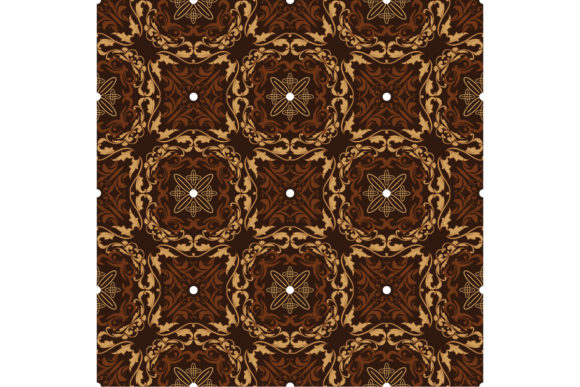
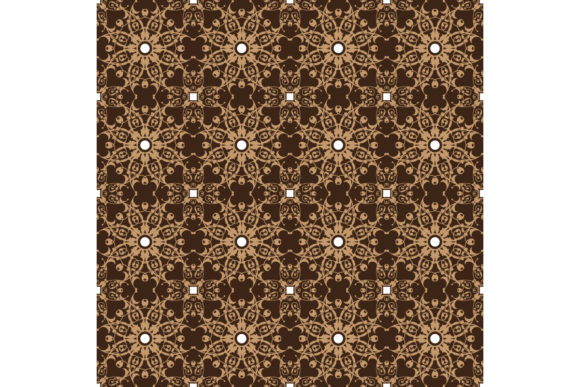
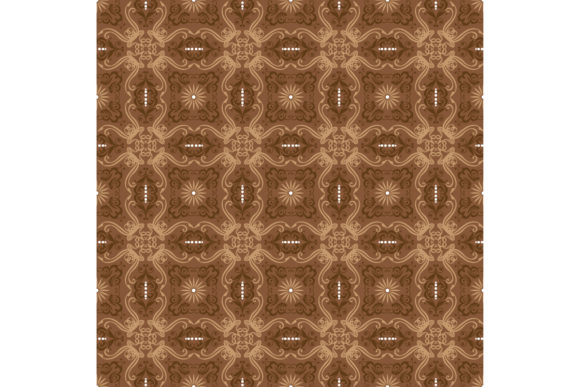
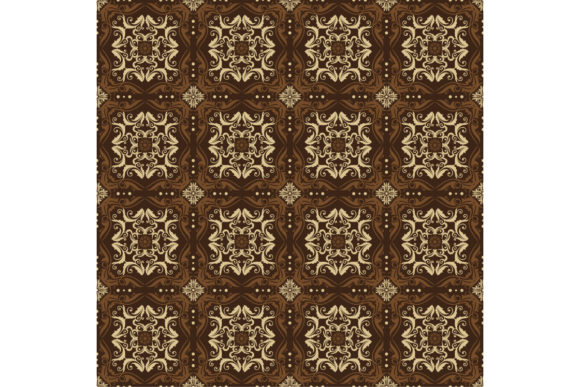
Jepara Batik Design stands as a remarkable example of traditional Indonesian textile artistry, blending intricate patterns with cultural storytelling. Originating from the Jepara region in Central Java, this batik style has evolved into a symbol of sophistication and heritage. Its smooth dark brown color concept adds a modern twist to age-old techniques, making it appealing for both traditional and contemporary applications.
The Essence of Jepara Batik Design
Jepara Batik is not just fabric—it's a narrative woven through centuries of craftsmanship. The design features elegant patterns that often depict nature, mythology, and daily life. These motifs are rendered with precision using the batik wax-resist dyeing technique, which involves applying hot wax to fabric before dyeing. This process ensures that only the unwaxed areas absorb the color, creating striking contrasts and detailed imagery.
The use of a smooth dark brown color palette in modern interpretations of Jepara Batik brings out the subtlety of its patterns. This hue provides a versatile backdrop that complements a wide range of settings, from formal attire to interior decor.
Key Characteristics of Jepara Batik Design
Jepara Batik Design is distinguished by several key characteristics:
- Traditional Techniques: The hand-drawn patterns and wax-resist method reflect deep-rooted traditions passed down through generations.
- Elegant Patterns: From floral motifs to geometric shapes, the designs are visually appealing and rich in symbolism.
- Dark Brown Color Concept: The smooth dark brown tones offer a refined aesthetic that enhances the visual depth of the patterns.
- Cultural Significance: Each piece tells a story, often reflecting local beliefs, history, or social values.
This combination of tradition and aesthetics makes Jepara Batik a unique choice for those seeking authenticity and elegance in their designs.
Purpose and Practical Value of Jepara Batik Design
Jepara Batik Design serves multiple purposes beyond mere decoration. It is used in clothing, home furnishings, and even as an artistic medium for collectors and designers. For professionals such as fashion designers, interior decorators, and marketers, it offers a distinctive way to incorporate cultural elements into modern projects.
The versatility of Jepara Batik allows it to be adapted for various uses. In fashion, it can be incorporated into dresses, shirts, and accessories. In interior design, it can be used for cushions, curtains, and wall hangings. Its ability to blend traditional art with contemporary needs makes it a valuable asset across industries.
Real-World Applications and Performance
In real-world scenarios, Jepara Batik Design has proven effective in several contexts. For instance, a boutique specializing in ethnic wear might use Jepara Batik to create a signature line that appeals to customers looking for culturally inspired clothing. Similarly, a hotel aiming to enhance its ambiance could use Jepara Batik textiles in its decor to evoke a sense of luxury and tradition.
Its durability and resistance to fading make it suitable for long-term use. However, the quality of the final product depends on the skill of the artisan and the materials used. High-quality cotton and natural dyes ensure longevity and vibrancy.
Who Benefits Most from Jepara Batik Design?
Jepara Batik Design is particularly beneficial for individuals and businesses interested in cultural expression, sustainable practices, and high-quality craftsmanship. Entrepreneurs in the fashion or textile industry may find it useful for creating unique products that stand out in a competitive market.
Marketers and content creators can leverage Jepara Batik as a storytelling tool, using it to highlight cultural narratives in campaigns or publications. Educators and researchers may also benefit by incorporating Jepara Batik into lessons or studies about traditional arts and heritage.
For serious hobbyists and DIY enthusiasts, working with Jepara Batik can be a rewarding experience. It offers a hands-on way to engage with traditional techniques while creating personalized items.
Professional Observations and Recommendations
From a professional standpoint, Jepara Batik Design excels in delivering a balance between tradition and modernity. Its ability to maintain cultural integrity while adapting to current trends makes it a compelling choice for creative professionals.
However, there are limitations to consider. The production process is labor-intensive, which can lead to higher costs and longer lead times. Additionally, the availability of authentic Jepara Batik may be limited outside of Indonesia, requiring careful sourcing for international markets.
To maximize its value, it is recommended to work with reputable artisans or suppliers who prioritize quality and ethical practices. Investing in proper care and maintenance can also extend the lifespan of Jepara Batik products, ensuring they remain vibrant and intact over time.
Final Thoughts on Jepara Batik Design
Jepara Batik Design represents more than just an aesthetic choice—it embodies a legacy of craftsmanship and cultural identity. Whether used in fashion, interior design, or artistic expression, it offers a unique way to connect with tradition while embracing modern sensibilities.
For those seeking a design that combines elegance, durability, and cultural significance, Jepara Batik is an excellent option. Its smooth dark brown color concept and intricate patterns provide a timeless appeal that resonates with a wide audience. By understanding its strengths and limitations, professionals and enthusiasts alike can make informed decisions about how to integrate Jepara Batik into their work and personal projects.