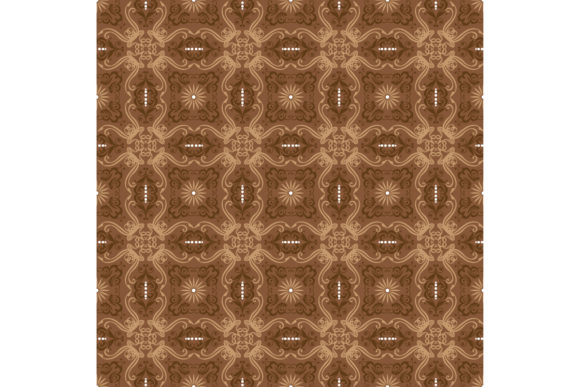
Javanese Batik Design: A Strategic Approach to Cultural Expression and Branding
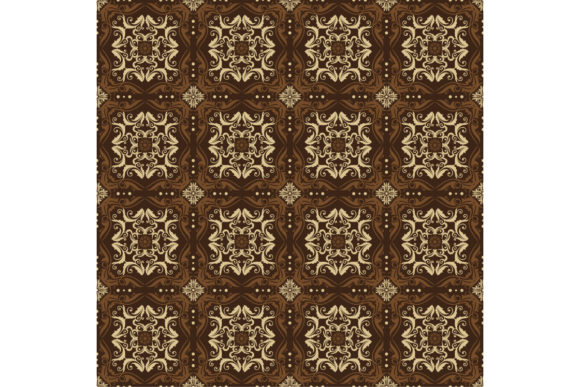
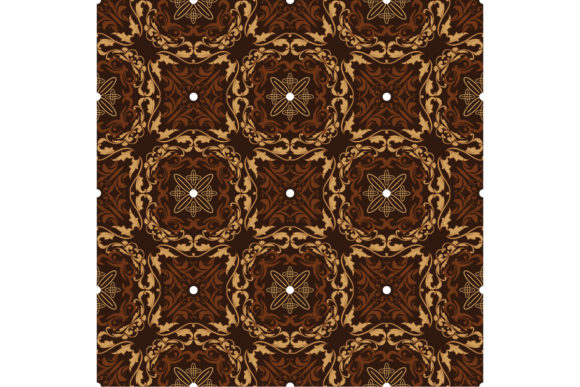
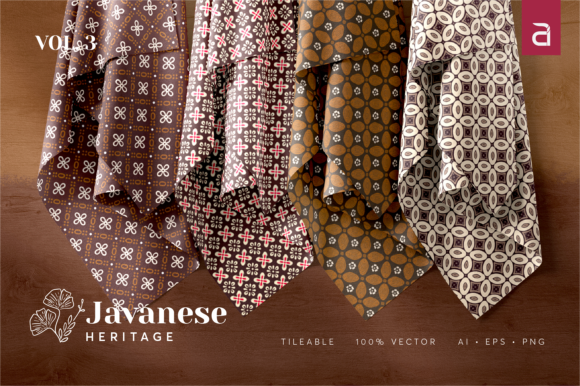
Javanese Batik Design is more than just an artistic tradition; it is a cultural asset that carries deep historical significance and aesthetic value. Originating from the island of Java in Indonesia, batik is a textile art form where intricate patterns are created using wax-resist dyeing techniques. The Javanese variant of batik, in particular, is renowned for its complexity, symbolism, and the use of soft brown color palettes that evoke warmth, tradition, and sophistication. When applied thoughtfully, Javanese Batik Design can be a powerful tool in branding, product development, interior design, and even digital content creation. This article explores how this traditional art form can be strategically integrated into modern contexts, focusing on the unique patterns and soft brown color concept.
Understanding Javanese Batik Design
Javanese Batik Design is characterized by its meticulous craftsmanship and symbolic storytelling. Each pattern tells a story, conveys values, or represents social status. Common motifs include parang (a wave-like pattern symbolizing strength), truntum (geometric shapes representing balance), and kawung (circular motifs signifying harmony). These designs are often rendered in muted tones such as soft browns, which add a sense of elegance and timelessness.
The soft brown color concept in Javanese Batik Design is particularly appealing for those seeking to convey authenticity, heritage, and understated luxury. Unlike vibrant or bold colors, soft browns create a calming effect and align well with minimalist aesthetics. This makes them suitable for a wide range of applications, including fashion, packaging, office interiors, and digital interfaces.
Strategic Use of Javanese Batik Design
Incorporating Javanese Batik Design into your projects requires a strategic approach. It is not merely about using a pattern but understanding its context, meaning, and emotional resonance. Here’s how you can leverage this design style effectively:
- Brand Identity: If your brand aims to communicate authenticity, tradition, or cultural appreciation, Javanese Batik Design can serve as a visual anchor. Its unique patterns and soft brown palette can differentiate your brand from competitors while building trust and emotional connection with your audience.
- Product Development: From clothing to home décor, Javanese Batik Design adds a layer of cultural richness to products. For example, using soft brown batik fabric in a line of sustainable fashion can appeal to eco-conscious consumers who appreciate artisanal craftsmanship.
- Interior Design: Soft brown batik textiles can transform spaces by adding texture and depth without overwhelming the senses. They work well in offices, living rooms, or boutique hotels that aim to create a warm, inviting atmosphere.
- Digital Content: In web design or graphic media, subtle batik patterns can enhance user experience by creating visual interest without distracting from the core message. This is especially useful in educational platforms, cultural tourism websites, or creative portfolios.
When to Use Javanese Batik Design
Javanese Batik Design is most effective when used in contexts that benefit from cultural storytelling, emotional depth, or a touch of elegance. Consider using it in the following scenarios:
- Cultural Events or Exhibitions: Batik can be used to create thematic environments that celebrate Indonesian heritage, making it ideal for festivals, museums, or cultural fairs.
- Educational Materials: Incorporating batik patterns into textbooks, presentations, or teaching tools can help students engage with history, art, and culture in a more immersive way.
- Corporate Branding: Companies looking to establish a strong regional identity or connect with local communities can use Javanese Batik Design in their logos, uniforms, or promotional materials.
- Sustainable Fashion: As awareness of sustainability grows, using traditional techniques like batik supports ethical production and preserves indigenous crafts.
Planning and Implementation Tips
To ensure that Javanese Batik Design is used effectively, consider the following planning tips:
- Research the Meaning: Before applying any batik pattern, understand its symbolism. Using a motif that conveys the wrong message could undermine your brand or project.
- Choose the Right Color Palette: While soft brown is a popular choice, it's important to match the tone with the overall design scheme. Ensure that the batik complements other elements rather than clashing with them.
- Balance Tradition and Modernity: While respecting the cultural roots of batik, consider how to integrate it with contemporary design trends. This ensures relevance and broad appeal.
- Consider the Medium: Different materials respond differently to batik patterns. For example, a batik print on fabric will look different from a digital version on a website. Test samples before finalizing large-scale implementations.
- Work with Experts: Collaborate with artisans or designers who specialize in Javanese Batik Design. Their expertise can help avoid misinterpretations and ensure quality execution.
Potential Risks and Considerations
While Javanese Batik Design offers many benefits, there are potential risks if it is used without proper understanding or intention. Some key considerations include:
- Cultural Appropriation: Using batik without acknowledging its origins or supporting local artisans can be seen as exploitative. Always give credit and seek collaboration with communities that originate the design.
- Lack of Authenticity: Mass-produced imitations may dilute the cultural value of batik. Prioritize quality over quantity and support ethical sourcing.
- Misalignment with Brand Message: If the chosen batik pattern does not align with your brand values or target audience, it could confuse customers or send mixed signals.
- Overuse: Applying batik excessively can lead to visual clutter. Use it sparingly to maintain focus and clarity in your design.
Integrating Javanese Batik Design Into Long-Term Strategy
For businesses and creators aiming to build long-term value, integrating Javanese Batik Design should be part of a broader strategy that includes market research, cultural sensitivity, and brand consistency. Here’s how to approach it:
- Conduct Market Research: Understand your audience's perception of cultural elements. Are they interested in traditional art? Do they associate batik with quality or authenticity?
- Develop a Clear Narrative: Define how batik will contribute to your brand’s story. Will it represent heritage, innovation, or community?
- Align with Business Goals: Ensure that the use of batik supports specific business objectives, whether it's increasing customer engagement, enhancing product value, or promoting cultural awareness.
- Monitor Feedback: After implementing batik in your designs, gather feedback from customers, stakeholders, or users. Use this data to refine your approach and make informed adjustments.
Conclusion
Javanese Batik Design is a rich and meaningful resource that can elevate your projects when used with purpose and respect. By understanding its cultural significance, selecting appropriate patterns and colors, and aligning it with your strategic goals, you can harness the power of this traditional art form in modern contexts. Whether you're designing a brand, developing a product, or curating a space, thoughtful integration of Javanese Batik Design can yield lasting results that resonate emotionally and intellectually with your audience.