Design Pattern Leafing: A Timeless Art in Modern Applications
The allure of Design Pattern Leafing lies in its delicate balance between tradition and modernity. This intricate design approach, rooted in the ornate aesthetics of art nouveau, has found new life in digital spaces, offering a versatile solution for those seeking elegance without complexity. Whether you're a designer, a business owner, or simply an enthusiast of visual beauty, understanding this pattern can open up a world of creative possibilities.
The Essence of Design Pattern Leafing
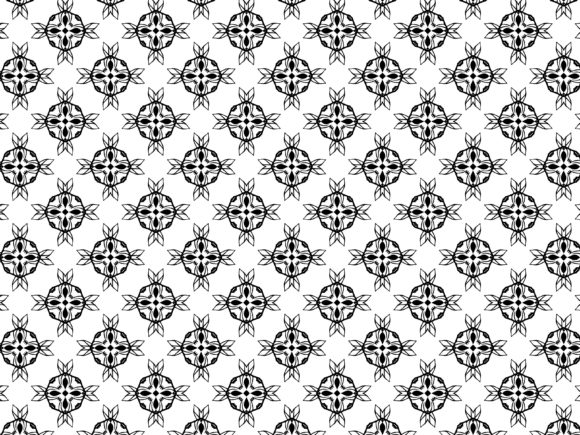
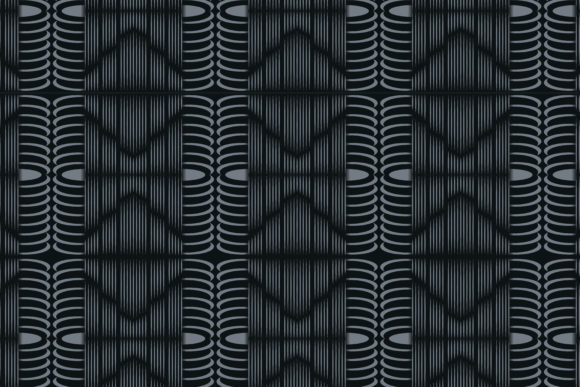
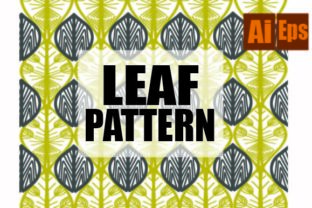
Design Pattern Leafing is more than just a decorative element; it's a technique that marries the organic flow of nature with structured composition. Characterized by flowing lines, floral motifs, and abstract elements, this pattern evokes a sense of movement and grace. Its seamless nature makes it ideal for repeated use across various surfaces and media, ensuring consistency without monotony.
At its core, leafing design draws inspiration from natural forms—leaves, vines, petals, and flowers—transforming them into stylized patterns. The emphasis on symmetry and balance ensures that each iteration of the pattern complements the space it inhabits, whether it's a fabric print, a website background, or a product label.
Key Features of Design Pattern Leafing
- Seamless Repetition: The pattern is designed to repeat seamlessly, making it perfect for large-scale applications such as textiles, wallpapers, and digital backgrounds.
- Vector-Based: Utilizing vector graphics ensures scalability without loss of quality, which is especially beneficial for digital use and high-resolution printing.
- Elegant Aesthetic: The combination of floral damask and abstract art nouveau elements gives it a timeless appeal that transcends trends.
- Adaptability: It can be modified easily to suit different color palettes, making it suitable for a wide range of projects and industries.
Applications and Use Cases
The versatility of Design Pattern Leafing allows it to be used in numerous contexts. For designers, it serves as a go-to resource for creating visually appealing layouts, particularly in areas like branding, packaging, and web design. Its subtle intricacy adds depth without overwhelming the viewer, making it ideal for minimalist yet elegant designs.
Business owners may find value in using this pattern for marketing materials, store interiors, or product packaging. It can help create a cohesive brand identity that exudes sophistication and attention to detail. Similarly, creators working in fashion, home decor, or textile design can incorporate this pattern to elevate their work with a touch of classic charm.
In the digital realm, Design Pattern Leafing is frequently used as a background for websites, mobile apps, and digital magazines. Its ability to blend seamlessly with other design elements makes it a favorite among web developers looking to add visual interest without distracting from content.
Real-World Examples
- Fashion Industry: High-end clothing brands often use leafing patterns in fabric prints, adding a layer of sophistication to their collections.
- Interior Design: Interior designers utilize these patterns in upholstery, curtains, and wall coverings to create a warm and inviting atmosphere.
- Web Development: Websites that aim to convey luxury or heritage often employ leafing patterns in their headers, footers, or section dividers.
- Print Media: Magazines and books with a classic or artistic theme may feature leafing designs as part of their layout or illustrations.
Strengths and Considerations
The primary strength of Design Pattern Leafing lies in its ability to communicate elegance and refinement. It offers a unique way to express creativity while maintaining a level of professionalism that appeals to a broad audience. Additionally, its adaptability means it can be tailored to fit specific needs, whether through color adjustments or structural modifications.
However, there are some considerations to keep in mind. While the pattern is highly versatile, it may not be suitable for all design styles. Overuse can lead to visual clutter, especially in minimalistic or modern compositions where simplicity is key. Furthermore, the complexity of the design may require careful integration to ensure it doesn't overshadow other elements on the page.
Another factor to consider is the file size when using vector-based leafing patterns digitally. Although vectors scale well, they can sometimes result in larger file sizes compared to raster images. This could impact loading times for websites or digital assets, so optimization is essential.
Who Benefits Most from Design Pattern Leafing?
This pattern is particularly beneficial for individuals and businesses that want to convey a sense of history, artistry, or sophistication. Professionals in the fields of graphic design, interior decoration, fashion, and web development will find it especially useful for projects that require a refined aesthetic.
General consumers who appreciate beautiful design may also benefit from incorporating leafing patterns into their personal spaces, such as choosing furniture or home décor items that feature this motif. For online users, encountering leafing patterns in digital interfaces can enhance the overall experience, making interactions feel more engaging and visually pleasing.
Evaluating Suitability for Your Needs
Before deciding to use Design Pattern Leafing in your project, consider the following factors:
- Project Scope: Is the pattern appropriate for the scale and context of your project? Will it complement the existing design elements or clash with them?
- Audience Preferences: Does your target audience appreciate traditional or ornate designs? Understanding your audience’s taste is crucial in selecting the right pattern.
- Technical Requirements: Are there any technical limitations related to file formats, resolution, or compatibility that need to be addressed?
- Brand Identity: How does the pattern align with your brand’s visual identity and messaging? It should enhance rather than detract from your brand’s image.
By carefully evaluating these aspects, you can determine whether Design Pattern Leafing is the right choice for your needs. When used thoughtfully, it can become a powerful tool in creating visually compelling and meaningful designs that resonate with your audience.
Conclusion: Embracing the Beauty of Design Pattern Leafing
Design Pattern Leafing continues to captivate designers and creators with its timeless appeal and adaptability. Whether you're crafting a digital interface, designing a piece of clothing, or decorating a living space, this pattern offers a unique way to infuse elegance into your work. By understanding its characteristics, applications, and considerations, you can make informed decisions about how best to incorporate it into your projects.
As you explore the world of design, remember that the goal is to create something that speaks to both the eye and the soul. With Design Pattern Leafing, you have a powerful ally in achieving that balance between beauty and functionality. So, take the time to experiment, refine, and let your creativity flourish with this exquisite design approach.