Leaf Pattern Design Idea: A Versatile Tool for Creative and Professional Workflows
The Leaf Pattern Design Idea is a creative concept that brings the natural elegance of leaf shapes into digital design. It's not just about aesthetics—it's about functionality, adaptability, and integration into various workflows. Whether you're a designer, marketer, educator, or small business owner, this design approach can enhance your projects with organic visuals that are both appealing and practical.
Understanding Leaf Pattern Design Idea
At its core, the Leaf Pattern Design Idea involves using stylized leaf motifs as part of larger visual compositions. These patterns can be simple or complex, depending on the intended use. The key benefit is their versatility—they can be used in branding, web design, print materials, educational content, and more.
One of the most compelling aspects of this design idea is its compatibility with vector formats like EPS 10 files. These files are scalable without loss of quality, making them ideal for both digital and print applications. This format ensures that the leaf patterns maintain clarity at any size, which is essential for professional-grade output.
Integration into Different Stages of a Project
The Leaf Pattern Design Idea can be applied at various stages of a project lifecycle. Before starting a design, it can serve as inspiration or a foundational element. During the execution phase, it can be integrated into mockups, prototypes, or final deliverables. After completion, it can be repurposed for marketing, social media, or other promotional materials.
For example, if you're working on a brand identity project, incorporating leaf patterns early on can help establish a consistent visual language. As the project progresses, these elements can be refined to align with the brand's tone and messaging. Finally, once the brand is established, the same leaf patterns can be used across different platforms to reinforce recognition.
How Leaf Patterns Interact with Other Tools and Resources
When working with Leaf Pattern Design Ideas, it's important to consider how they interact with other design tools and resources. Vector-based software such as Adobe Illustrator, CorelDRAW, or Inkscape can easily open and edit EPS 10 files. This compatibility allows for seamless integration into existing workflows.
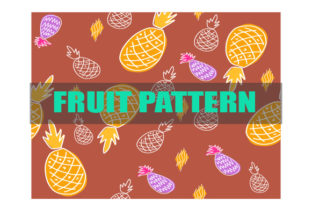
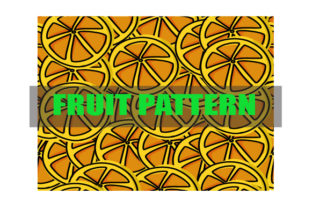
Additionally, leaf patterns can be combined with other flat design elements—such as fruit illustrations—to create cohesive and visually rich compositions. These variations can be stored in organized libraries for easy access during the design process. By maintaining a structured asset management system, designers can ensure consistency and efficiency across multiple projects.
Practical Implementation Tips
To get the most out of Leaf Pattern Design Ideas, consider the following tips:
- Start with a clear purpose: Define how the leaf pattern will be used before designing. Will it be a background element, an icon, or part of a larger illustration?
- Use high-quality assets: Ensure that the EPS 10 files are of high resolution and free from distortions or artifacts.
- Experiment with variations: Create multiple versions of the leaf pattern to suit different contexts. For instance, one version could be minimalist while another could be detailed.
- Organize your design library: Keep all leaf pattern files in a centralized location for easy retrieval. Use descriptive filenames and folder structures to maintain order.
- Test across platforms: Verify that the leaf patterns look good on different devices and screen sizes, especially if they'll be used in web design.
By following these steps, you can streamline the implementation process and avoid common pitfalls that might arise when integrating new design elements into your workflow.
Workflow Examples and Use Cases
Let’s explore some real-world scenarios where Leaf Pattern Design Ideas can be effectively utilized:
1. Branding and Packaging Design
A small business owner looking to create eco-friendly packaging might incorporate leaf patterns into the design. These patterns can be used on product labels, boxes, or inserts. The use of EPS 10 files ensures that the designs remain crisp and clean, even when printed in large quantities.
2. Educational Content Creation
An educator developing interactive learning materials for children could use leaf patterns to make the content more engaging. These patterns can be part of illustrated guides, flashcards, or digital presentations. The simplicity of flat design makes it easier for young learners to focus on the subject matter.
3. Web and App UI Design
Designers working on user interfaces can use leaf patterns as background elements or decorative accents. When combined with flat design principles, these patterns add a subtle touch of nature without overwhelming the user experience. EPS 10 files allow for scalability, ensuring that the design remains consistent across different screen resolutions.
4. Marketing Materials
Marketers often need visually appealing assets for campaigns. Leaf patterns can be used in posters, banners, or email headers to convey themes related to sustainability, health, or wellness. The flexibility of EPS 10 files means that these assets can be adapted for both online and offline use.
Factors for Long-Term Success
To ensure that Leaf Pattern Design Ideas continue to provide value over time, several factors should be considered:
Preparation: Invest time in researching and sourcing high-quality leaf pattern assets. This includes exploring design marketplaces, creating original patterns, or commissioning artists.
Compatibility: Choose file formats that work well with the tools and platforms you use regularly. EPS 10 files are widely supported, but it's still worth verifying compatibility with specific software.
Usability: Design patterns that are easy to use and modify. Avoid overly complex designs that may be difficult to implement or adjust later on.
Organization: Maintain a well-structured asset library to prevent clutter and confusion. This becomes increasingly important as your collection of leaf patterns grows.
Efficiency: Streamline your workflow by using templates or pre-designed elements that can be quickly customized for different projects.
Consistency: Apply the same design standards across all projects to maintain a cohesive visual identity. This is especially important for brands or businesses that rely on consistent branding.
Quality Control: Regularly review and update your leaf pattern designs to ensure they meet current design standards and aesthetic preferences.
Long-Term Use: Think about how the leaf patterns will be used in the future. Will they need to be updated, rebranded, or adapted for new platforms? Planning ahead can save time and effort down the line.
Conclusion
The Leaf Pattern Design Idea offers a unique way to bring natural beauty into digital and print design. Its compatibility with EPS 10 files, combined with the flexibility of flat design, makes it a valuable tool for professionals and hobbyists alike. By understanding how to integrate these patterns into different stages of a project, you can enhance your creative output while maintaining efficiency and consistency. Whether you're working on branding, education, web design, or marketing, the Leaf Pattern Design Idea provides a versatile foundation for your next project.