Fractal Pattern Teeth: A Versatile Design Element for Modern Creativity
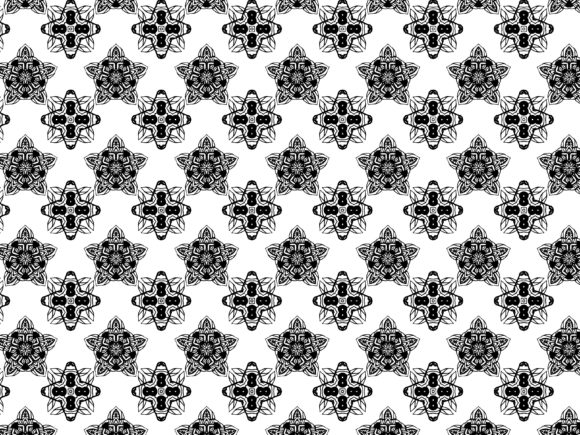
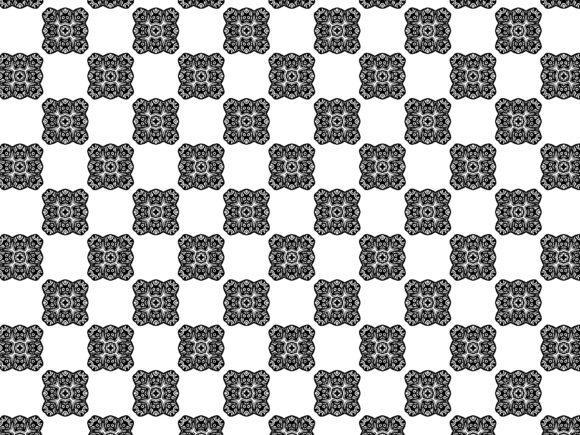
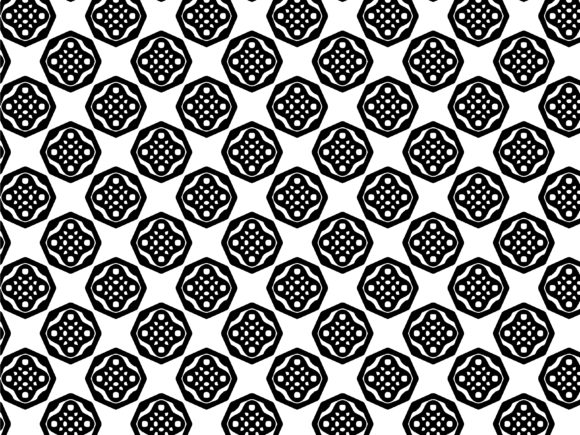
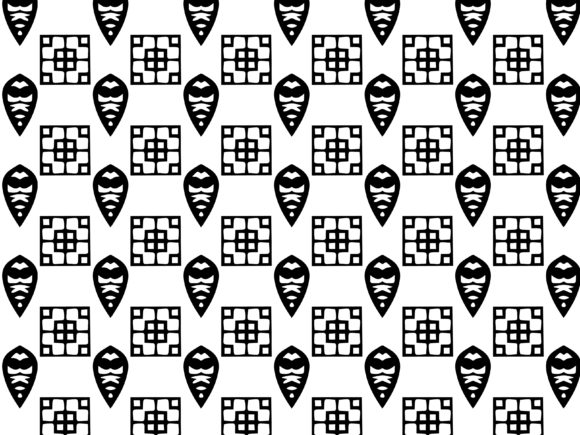
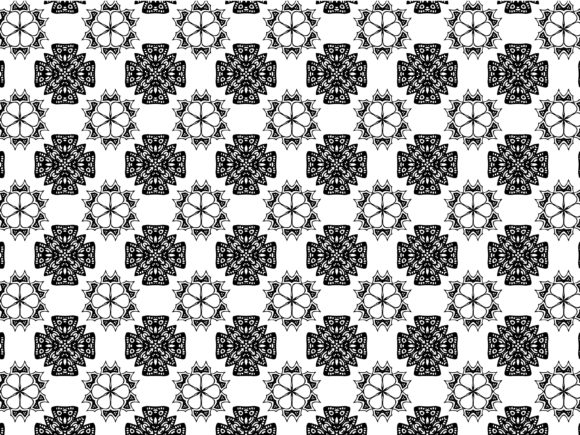
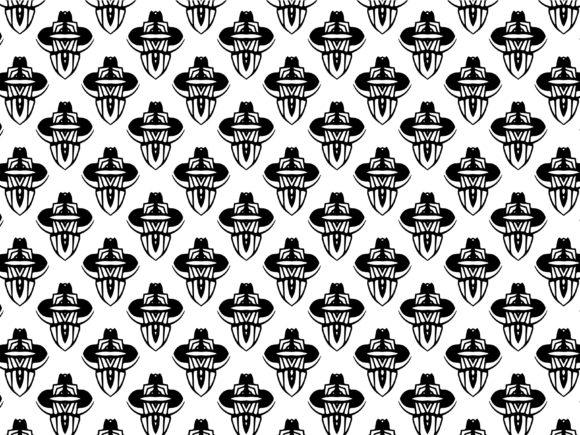
Fractal Pattern Teeth is a unique and intricate design element that combines the mathematical precision of fractals with the organic, repeating nature of teeth-like structures. This pattern isn’t just visually appealing—it's a powerful tool that can be integrated into various creative workflows, from digital design to textile production. Whether you're an entrepreneur looking to enhance your brand visuals or a designer seeking new inspiration, Fractal Pattern Teeth offers a compelling solution that fits seamlessly into many industries.
Understanding Fractal Pattern Teeth
Fractals are complex patterns that repeat at different scales, creating a sense of infinite detail. When applied to the concept of "teeth," this results in a design that mimics the jagged edges of teeth but in a more stylized, geometric form. The result is a pattern that feels both natural and structured, making it ideal for a wide range of applications.
Fractal Pattern Teeth Collection includes high-quality AI and JPG files, ensuring that users have the flexibility to edit and use the designs across multiple platforms. The AI format allows for easy customization, while the JPG format provides ready-to-use visuals for quick implementation.
Where Fractal Pattern Teeth Fits in Your Workflow
Fractal Pattern Teeth can be used at various stages of a project. During the initial planning phase, it can serve as a visual reference or mood board element, helping to define the aesthetic direction of a product or space. In the execution phase, it can be implemented directly into web backgrounds, fabric prints, or packaging designs.
For example, when designing a website, using Fractal Pattern Teeth as a background can add depth and texture without overwhelming the content. Similarly, in the fashion industry, this pattern can be printed on fabric to create unique garments that stand out in a crowded market.
Integration with Other Tools and Resources
Fractal Pattern Teeth works well with a variety of design software, including Adobe Illustrator, Photoshop, and even free tools like GIMP and Inkscape. Its AI file format makes it compatible with vector-based editing tools, allowing for precise scaling and modification.
When paired with other design elements—such as color palettes or typography—Fractal Pattern Teeth can enhance the overall visual impact of a project. For instance, using a muted color palette with this pattern can create a calming effect, while bold colors can make it more dynamic and attention-grabbing.
It also integrates smoothly with digital asset management systems, making it easier to organize and access design files during large-scale projects. This is particularly useful for teams working on multiple fronts, such as marketing campaigns or product launches.
Practical Implementation Tips
Before implementing Fractal Pattern Teeth into a project, consider the context in which it will be used. Will it be the main focus or a subtle background element? Understanding its role helps determine how much detail or contrast is needed.
Here are some practical tips:
- Test scalability: Ensure the pattern maintains quality at different sizes, especially if it will be used on large surfaces like banners or textiles.
- Experiment with layering: Combine Fractal Pattern Teeth with other textures or patterns to create a more complex and interesting design.
- Use in moderation: While the pattern is visually engaging, overuse can lead to visual clutter. Balance is key.
Additionally, consider the end user’s perspective. If the design is for a children’s product, the pattern should be playful and colorful. For a professional setting, a more refined and minimalist approach might be better.
Use Cases Across Industries
The versatility of Fractal Pattern Teeth makes it suitable for numerous industries. Here are a few examples:
Web and Digital Design
In web design, Fractal Pattern Teeth can be used as a subtle background to add visual interest without distracting from the content. It can also be incorporated into buttons, icons, or loading animations to create a cohesive visual language.
Fashion and Textile Design
In the fashion industry, this pattern can be used to create unique fabric prints that stand out. It can be woven into clothing items, accessories, or even home decor products like cushions or curtains.
Home Decor and Interior Design
Fractal Pattern Teeth can be used in wallpaper, rugs, or decorative panels to add a touch of modernity and complexity to any room. Its repeating nature ensures consistency across different elements of the interior space.
Branding and Packaging
For branding purposes, this pattern can be used in logos, packaging, or promotional materials. It adds a distinctive visual identity that can help differentiate a brand from competitors.
Cosmetics and Beauty Products
In the beauty industry, Fractal Pattern Teeth can be used on product packaging, such as lipsticks, skincare bottles, or makeup palettes. It creates a unique and eye-catching design that appeals to consumers.
Long-Term Use and Quality Control
When using Fractal Pattern Teeth for long-term projects, it’s important to maintain consistency in its application. This means ensuring that the same version of the pattern is used across all platforms and formats to avoid discrepancies.
Quality control is also essential. Always check the resolution and clarity of the pattern, especially when printing it on physical materials. High-resolution files are crucial to ensure that the pattern looks sharp and detailed, no matter the medium.
Organizing your design assets is another key factor. Keeping track of where and how the pattern has been used can save time and prevent duplication of effort, especially in larger projects involving multiple designers or departments.
Conclusion
Fractal Pattern Teeth is more than just a design element—it's a versatile tool that can be integrated into various aspects of creative and business workflows. From web backgrounds to fabric prints, its adaptability makes it a valuable asset for professionals across industries. By understanding how to implement and integrate this pattern effectively, you can enhance the visual appeal and functionality of your projects, leading to better outcomes and greater creative freedom.