Fish Pattern, Seamless Illustration, Sea: A Guide to Choosing and Using High-Quality Design Elements
When it comes to digital design, the right visual elements can make all the difference. Fish Pattern, Seamless Illustration, Sea is a collection of 12 high-quality PNG patterns that bring the beauty of the ocean into your projects. These seamless illustrations are perfect for websites, branding, packaging, or any creative endeavor where a touch of aquatic charm is needed. But like any design resource, using them effectively requires understanding what to look for and how to avoid common pitfalls.
What Is Fish Pattern, Seamless Illustration, Sea?
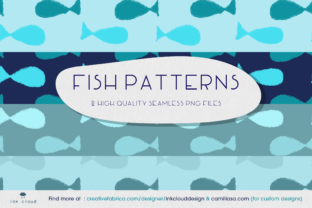
Fish Pattern, Seamless Illustration, Sea refers to a set of repeatable, non-overlapping designs featuring fish and underwater themes. These patterns are created in such a way that they can be tiled seamlessly across surfaces without visible seams or breaks. The file includes 12 distinct patterns, each offering a unique take on marine life and sea aesthetics.
These PNG files are high-resolution and scalable, making them suitable for both print and digital use. Whether you're designing a website background, creating a logo, or working on a product label, these patterns offer a versatile and visually appealing solution.
Why People Are Interested in Fish Patterns
The appeal of fish patterns lies in their versatility and aesthetic value. They evoke feelings of calm, nature, and relaxation—qualities that are especially valuable in branding for wellness, travel, or eco-friendly products. Additionally, the seamless nature of these illustrations ensures that they blend smoothly with other design elements, avoiding the jarring effect of visible tiling.
Professionals and hobbyists alike find these patterns useful for adding depth and character to otherwise plain backgrounds. For marketers and bloggers, incorporating such visuals can enhance storytelling and create a more engaging experience for the audience.
Common Mistakes When Using Fish Patterns
While Fish Pattern, Seamless Illustration, Sea is a powerful tool, there are several mistakes that users often make when selecting or applying these patterns. Here are some key issues to watch out for:
- Ignoring Resolution and File Format: Not all PNG files are created equal. Some may have low resolution or poor compression, leading to blurry or pixelated results. Always check the DPI and ensure the file format matches your project needs.
- Overusing the Pattern: Applying a pattern too densely can overwhelm the design. It's important to balance the pattern with other elements to maintain clarity and focus.
- Mismatched Color Schemes: If the colors in the pattern clash with the rest of your design, it can detract from the overall look. Consider adjusting the pattern's colors or choosing one that complements your existing palette.
- Not Testing on Different Backgrounds: A pattern that looks great on white may not work well on dark or textured backgrounds. Always test the pattern in different contexts before finalizing your design.
How to Avoid These Mistakes
By being mindful of these potential issues, you can significantly improve the outcome of your design projects. Here are some practical tips:
Check the Resolution: Ensure that the PNG file has a resolution of at least 300 DPI for print or 72 DPI for web use. This will help maintain quality across different mediums.
Use the Pattern Wisely: Instead of covering an entire page with the pattern, consider using it as a subtle background or accent. This approach keeps the design clean and professional.
Adjust Colors for Harmony: If the pattern’s colors don’t match your project, use graphic design software to adjust the hues or apply a color overlay. This allows you to maintain the pattern’s essence while ensuring it fits your design.
Test in Context: Before committing to a design, preview the pattern on various backgrounds and devices. This helps identify any potential issues early on and allows for adjustments before final output.
What to Check Before Using Fish Patterns
Before downloading or purchasing Fish Pattern, Seamless Illustration, Sea, take the time to evaluate the following aspects:
- Licensing Terms: Make sure you understand the usage rights associated with the pattern. Some resources may require attribution or restrict commercial use.
- File Quality: Look for high-resolution PNGs with no visible artifacts or distortion. A quick zoom-in can reveal details about the file’s quality.
- Compatibility: Ensure the pattern works well with your preferred design software. Some formats may not render correctly in certain applications.
- Relevance to Your Project: Choose a pattern that aligns with your brand identity or message. A mismatched pattern can confuse or alienate your audience.
Realistic Examples and Better Approaches
Imagine you're designing a website for a sustainable seafood company. Using a bold, colorful fish pattern might distract from the content. Instead, opt for a more subdued, minimalist pattern that complements the site's color scheme and enhances readability.
Another example: if you're creating a children's book cover, a vibrant and playful fish pattern could be ideal. However, ensure that the pattern doesn't overshadow the main illustration or text on the cover.
By thinking critically about the role of the pattern in your design, you can avoid overcomplicating the layout and maintain a cohesive visual identity.
Incorporating Fish Pattern, Seamless Illustration, Sea into your projects can add a unique and elegant touch, but success depends on thoughtful application. By avoiding common mistakes and checking key factors before use, you'll be able to leverage these patterns effectively and achieve professional results every time.